

Next Generation
Preventive
Health Screening
Full Body
AI-Powered
Ultrasonography
Early Detection
Save Lives
Maybe Even Yours!
👥
1340+
Patients Screened
💚
259
Cancers Detected Early
⏱️
20 +
20 + Organs Screened in 60 Minutes
🛡️
150+
Early detection of cancer, stroke, and other serious diseases.
Take just 60 seconds to learn how our comprehensive
full-body scan works.
Dr. Meir Zaavi
Clinical Oncologist
Creator of the AMC-AI Full-Body Preventive Screening Protocol
Director of Clinical Trials and Research at Sheba Medical Center, Israel.
Author of 100+ scientific publications.
Currently head oncologist at LISOD – Israeli Cancer Care Hospital.
A full-body scan designed to be fast, safe, and comprehensive.
Get Your Full-Body Scan
In just one hour, we’ll examine 20+ organs throughout your body—from your neck to your pelvis. Our comprehensive AI ultrasound scan is fast, precise, non-invasive, and safe, helping detect potential health concerns early.
Get a Complete Picture of Your Health
After your scan, you’ll receive a comprehensive 40-page AI-powered health report with detailed findings for every organ examined, including diagnostic interpretations and key clinical observations. Your results are reviewed by both our doctor and our advanced AI technology to provide an additional layer of analysis.
Frequently Asked Questions
Why Get a Full-Body Scan?
This is a proven full-body ultrasound examination supported by advanced AI analysis, designed to help detect diseases at an early stage, when treatment is often more effective.
Feeling Healthy Doesn't Always Mean You Are.
Many serious diseases develop silently, without pain or warning signs. A preventive full-body scan can help identify potential health concerns early—before symptoms appear—when treatment is more effective and outcomes are much be better.
What Does the Examination Include?
In just one 60-minute visit, we examine 20+ internal organs using advanced ultrasound technology, helping identify early signs of cancer and other serious health conditions before symptoms appear.
Is the Examination Safe?
Yes. The examination is painless, non-invasive, and radiation-free. Ultrasound is one of the safest and most widely used diagnostic imaging methods in the world, making it suitable for people of all ages and for preventive health screening.
Can AI Make a Diagnosis?
No. Artificial intelligence does not replace your doctor or make a medical diagnosis. It serves as a powerful support tool, helping doctors identify important findings and helping patients better understand their bodies and examination results. Every report is reviewed and interpreted by a licensed radiologist
.
Who Is This Examination Intended For?
This examination is suitable for anyone who wants to take a proactive approach to their health. It is especially recommended for adults over 40, people with a family history of serious diseases, those with health risk factors, and anyone interested in preventive health screening.
What Can Our Full-Body Scan Help Detect?
Using advanced AI-powered ultrasound technology, we provide a comprehensive assessment of 20+ internal organs to help identify early signs of cancer, stroke-related vascular abnormalities, and many other significant health conditions.
Discover what we examine and how preventive screening can help protect your health.
For Men

For Women

Abdominal Aorta & Carotid Arteries
✓ Abdominal Aorta & Carotid Arteries – Helps detect aneurysms, plaque buildup, narrowing of the carotid arteries, and other vascular abnormalities that may increase the risk of stroke or other serious cardiovascular conditions
For Women
Abdominal Aorta & Carotid Arteries
✓ Abdominal Aorta & Carotid Arteries – Helps detect aneurysms, plaque buildup, narrowing of the carotid arteries, and other vascular abnormalities that may increase the risk of stroke or other serious cardiovascular conditions
Thyroid gland
✓ Thyroid nodules – detection of abnormal thyroid nodules.
✓ Thyroid enlargement
– assessment of thyroid gland enlargement.
✓ Cysts – detection of fluid-filled cysts within the gland.
✓ Thyroiditis – diagnosis of inflammatory conditions, such as Hashimoto’s disease.
✓ Calcifications – detection of microcalcifications that may indicate thyroid cancer.
✓Vascular abnormalities– assessment of blood flow, as abnormalities may indicate hyperactivity or neoplastic changes.
✓ Lymph nodes – assessment for abnormal or suspicious changes that may require further evaluation.
Thyroid gland
✓ Thyroid nodules – detection of abnormal lumps in the thyroid gland.
✓ Thyroid enlargement – assessment of thyroid gland enlargement.
✓ Cysts – detection of fluid-filled cysts within the gland.
✓ Thyroiditis – diagnosis of inflammatory conditions, such as Hashimoto’s disease.
✓ Calcifications – detection of microcalcifications that may indicate thyroid cancer.
✓ Vascular abnormalities – assessment of blood flow, as abnormalities may indicate hyperactivity or neoplastic changes.
✓ Lymph nodes – assessment for abnormal or suspicious changes that may require further evaluation.
Spleen
✓ Splenomegaly – assessment of spleen size.
✓ Spleen cysts – detection of benign fluid-filled sacs.
✓ Spleen infarcts – identification of areas of necrosis caused by impaired blood flow.
✓ Abscesses – diagnosis of inflammation and infections of the spleen.
✓ Tumors or masses – identification of masses or suspicious lesions that may require further evaluation
✓ Spleen calcifications – assessment of the presence of calcifications in the tissue.
✓ Vascular problems – diagnosis of splenic vein thrombosis and other circulatory disorders.
Pancreas
✓ Tumors or masses in the pancreas – detection of benign and malignant lesions.
✓ Pancreas inflammation – identification of changes that may be associated with pancreatitis
✓ Cysts or pseudocysts – detection of fluid-filled sacs.
✓ Ductal dilation – detection of changes suggesting impaired enzyme drainage.
✓ Abscesses or fluid accumulation – detection of fluid-filled lesions or inflammation.
Spleen
✓ Splenomegaly – assessment of spleen size.
✓ Spleen cysts – detection of benign fluid-filled sacs.
✓ Spleen infarcts – identification of areas of necrosis caused by impaired blood flow.
✓ Abscesses – diagnosis of inflammation and infections of the spleen.
✓ Tumors or masses – identification of masses or suspicious lesions that may require further evaluation
✓ Spleen calcifications – assessment of the presence of calcifications in the tissue.
✓ Vascular problems – diagnosis of splenic vein thrombosis and other circulatory disorders.
Kidneys
✓ Kidney stones – Presence of mineral deposits in the kidneys.
✓ Cysts – Detection of benign fluid-filled sacs.
✓ Kidney tumors – identification of masses or suspicious lesions that may require further evaluation
✓ Hydronephrosis – Swelling of the kidney caused by a buildup of urine.
✓ Abnormalities in kidney size and shape – Assessment of the organ’s structure and proportions.
✓ Urinary tract obstructions – Blockages hindering urine flow.
✓ Polycystic kidney disease – A condition leading to numerous cysts in the kidneys.
✓ Abscesses – The presence of abscesses as a sign of bacterial infection.
Kidneys
✓ Kidney stones – Presence of mineral deposits in the kidneys.
✓ Cysts – Detection of benign fluid-filled sacs.
✓ Kidney tumors – identification of masses or suspicious lesions that may require further evaluation
✓ Hydronephrosis – Swelling of the kidney caused by a buildup of urine.
✓ Abnormalities in kidney size and shape – Assessment of the organ’s structure and proportions.
✓ Urinary tract obstructions – Blockages hindering urine flow.
✓ Polycystic kidney disease – A condition leading to numerous cysts in the kidneys.
✓ Abscesses – The presence of abscesses as a sign of bacterial infection.
Liver
✓ Abnormalities in liver size and shape – assessment of the organ’s structure and proportions.
✓ Fatty liver – detection of excess fat in liver cells.
✓ Liver scarring – diagnosis of scarring changes, such as fibrosis or cirrhosis.
✓ Liver cysts – detection of benign fluid-filled sacs in the liver.
✓ Kidney – identification of masses or suspicious lesions that may require further evaluation
✓ Liver abscesses – diagnosis of abscesses indicating infection.
Pancreas
✓ Tumors or masses in the pancreas – detection of benign and malignant lesions.
✓ Pancreas inflammation – identification of changes that may be associated with pancreatitis
✓ Cysts or pseudocysts – detection of fluid-filled sacs.
✓ Ductal dilation – detection of changes suggesting impaired enzyme drainage.
✓ Abscesses or fluid accumulation – detection of fluid-filled lesions or inflammation.
Gallbladder
✓ Gallstones – detection of deposits in the gallbladder.
✓ Cholecystitis – diagnosis of inflammation.
✓ Gallbladder polyps – detection of benign growths on the gallbladder wall.
✓ Thickening of the gallbladder wall – assessment of changes that may indicate inflammation or disease.
✓ Biliary tract obstruction – detection of blockages hindering bile flow.
✓ Deposits or sediment in the gallbladder – assessment of accumulated deposits.
✓ Gallbladder tumors – identification of masses or suspicious lesions that may require further evaluation
✓ Fluid around the gallbladder – assessment of the presence of fluid, which may indicate inflammation or infection.
Liver
✓ Abnormalities in liver size and shape – assessment of the organ’s structure and proportions.
✓ Fatty liver – detection of excess fat in liver cells.
✓ Liver scarring – diagnosis of scarring changes, such as fibrosis or cirrhosis.
✓ Liver cysts – detection of benign fluid-filled sacs in the liver.
✓ Kidney –identification of masses or suspicious lesions that may require further evaluation
✓ Liver abscesses – diagnosis of abscesses indicating infection.
Prostate
✓ Assessment of prostate size and volume.
✓ Detection of abnormal growths or nodules.
✓ Identification of lesions suitable for biopsy.
✓ Prostate enlargement – assessment of changes that may be consistent with benign prostatic hyperplasia (BPH).
✓ Diagnosis of prostatitis.
✓ Detection of prostate cysts and calcifications.
Gallbladder
✓ Gallstones – detection of deposits in the gallbladder.
✓ Cholecystitis – diagnosis of inflammation.
✓ Gallbladder polyps – detection of benign growths on the gallbladder wall.
✓ Thickening of the gallbladder wall – assessment of changes that may indicate inflammation or disease.
✓ Biliary tract obstruction – detection of blockages hindering bile flow.
✓ Deposits or sediment in the gallbladder – assessment of accumulated deposits.
✓ Gallbladder tumors – identification of masses or suspicious lesions that may require further evaluation
✓ Fluid around the gallbladder – assessment of the presence of fluid, which may indicate inflammation or infection.
Ovaries and uterus
✓ Ovarian cysts – detection of simple, complex, and hemorrhagic cysts.
✓ Ovarian tumors – identification of masses or suspicious lesions that may require further evaluation
✓ Polycystic ovary syndrome (PCOS) – detection of the multiple cysts characteristic of this condition.
✓ Ovarian torsion – diagnosis of emergencies related to ovarian torsion.
✓ Uterine fibroids – detection of benign muscle tumors.
✓ Endometrial thickening – assessment of endometrial hyperplasia or cancer.
✓ Endometrial polyps – detection of benign lesions on the endometrium.
✓ Uterine abnormalities – diagnosis of anatomical defects, e.g., septate uterus.
Our Price List
-
AI Full-Body Scan
for men
for Qualified Customers
Total price: $1,950
 Carotid Artery
 Thyroid
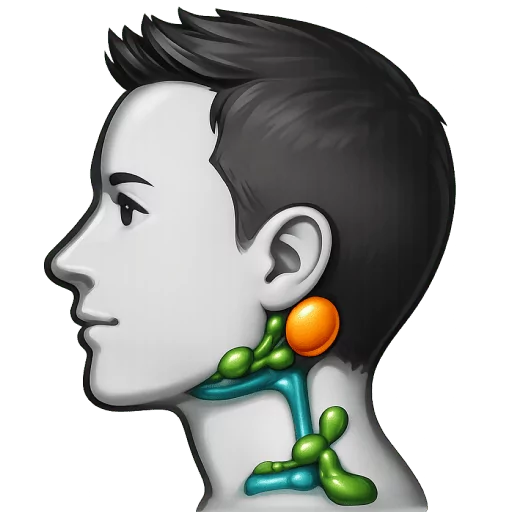 Submandible lymph nodes
 Pancreas
 Liver
Liver Gallbladder
 Common bile duct
 Adrenal glands
 Retroperitoneal lymph nodes
 Spleen
 Kidneys
- Abdominal Aorta
 Inferior vena cava
 Prostate
 Urinary bladder
- Prostatic urethra
- Distal ureters
 Seminal vesicles
 Portal vein
 Splenic vein
-
AI Full-Body Scan
for women
for Qualified Customers
Total price: $1,950
-
- Carotid Artery
- Thyroid
 Submandible lymph nodes
 Pancreas
 Liver
Liver Gallbladder
- Common bile duct
- Adrenal glands
 Retroperitoneal lymph nodes
- Spleen
- Kidneys
 Uterus
 Endometrium
 Urinary bladder
 Ovaries
 Adnexa
 Adnexal vasculature
- Abdominal Aorta
 Inferior Vena Cava
 Portal vein
- Splenic vein
Most Popular Plan 💚
Couples Plan
2 full-body comprehensive scans
YOU SAVE
$500
TOGETHER
$3,900
$3,400
For two comprehensive screenings. This special offer is perfect for couples, providing greater peace of mind about your health. It also makes a thoughtful gift for parents, siblings, or adult children


